Kermanshah among West Asia’s oldest human settlement areas, researcher says
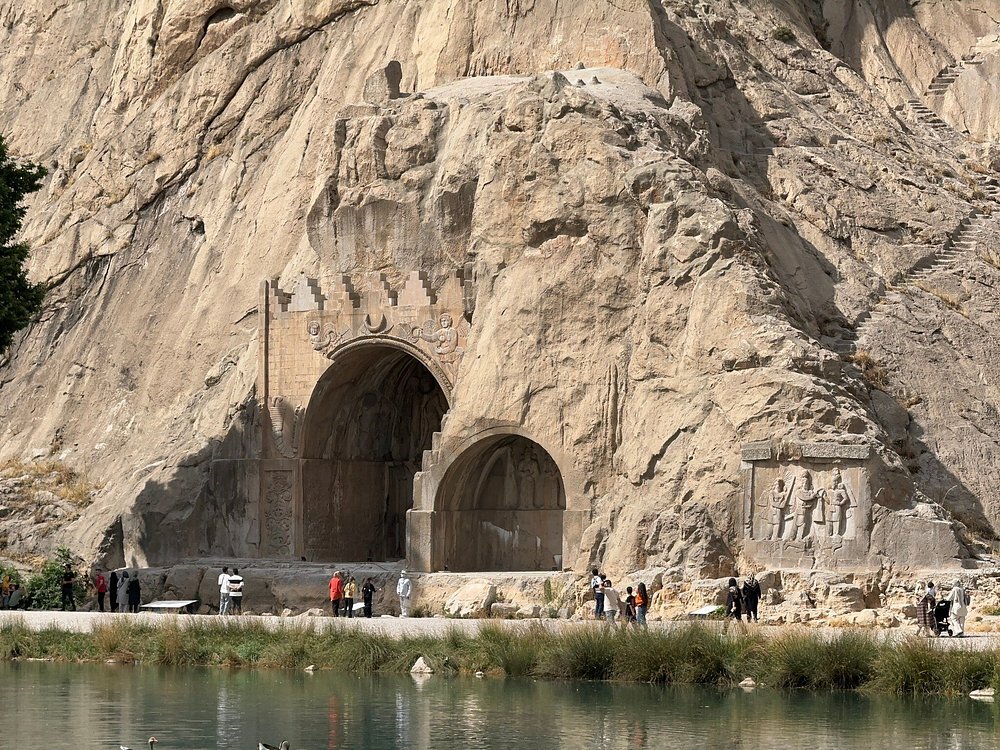
TEHRAN – Kermanshah is one of the oldest known areas of human settlement in the Iranian Plateau and West Asia, with archaeological evidence indicating human presence dating back as far as one million years, Iranian researcher and historian Mohsen Derekeh said on Monday.
Speaking to IRNA on the occasion of Iran’s National Kermanshah Day, Derekeh said archaeological discoveries from caves, rock shelters and prehistoric sites across the province had established Kermanshah as one of the region’s principal centers for the study of early human evolution and prehistoric societies.
“Kermanshah’s abundant water resources, favorable climate, rich vegetation and the Zagros mountain range made it one of the earliest habitats for humans in the Iranian Plateau and Mesopotamia,” Derekeh said, citing archaeological evidence.
He said sites including Sheikh Abadi Tepe in Dinavar, Godin Tepe, Chia Khazineh, Chia Gavaneh, Sarab and dozens of other archaeological locations documented continuous human occupation from the Paleolithic period through the emergence of historical civilizations.
Derekeh said scientific research into Kermanshah’s prehistoric past entered a new phase in the 1940s, when American anthropologist Carlton Coon carried out excavations at Bisotun Cave.
According to Derekeh, Coon uncovered Paleolithic remains, including a human forearm bone and other biological material, which contributed to the understanding of early human occupation in West Asia. Although later studies concluded that one of the teeth found during the excavations did not belong to a human, the forearm bone remains one of Iran’s key pieces of evidence for the presence of early humans, he said.
He added that further archaeological work was conducted in 1959 by American archaeologist Robert Braidwood and his team at sites including Asiab Tepe, Ganj Tepe, Sarab and Gakiyeh, helping expand knowledge of prehistoric settlement in the region.
Derekeh said stone tools recovered from those excavations demonstrated that early humans had lived in the area thousands of years ago.
He also referred to excavations at Warwasi Rock Shelter near Kermanshah, where researchers discovered stone tools associated with both Neanderthals and modern humans.
“Some researchers have suggested the possibility that Neanderthals and modern humans coexisted in this area,” Derekeh said.
He said archaeological research continued after Iran’s 1979 Islamic Revolution, including excavations at Wezmeh Cave in Islamabad-e Gharb county by Iranian archaeologists.
Several teeth discovered at the cave were sent to research centers in France for dating, and one was identified as belonging to a Neanderthal child who lived between 40,000 and 70,000 years ago, Derekeh added.
He described the discovery as one of the most direct scientific pieces of evidence for the presence of Neanderthals in Iran and the Mesopotamian region.
Derekeh also pointed to excavations at another cave, north of Kermanshah, where Paleolithic animal remains have provided researchers with information about the environment and the way of life of early humans.
He said recent archaeological work has produced evidence of even earlier human occupation, adding the area’s natural conditions, including access to water, vegetation and suitable stone for tool-making, likely encouraged repeated human settlement from the earliest stages of human history.
As mentioned by Derekeh, Kermanshah remains one of the most important regions for archaeological research in Iran and West Asia. “Studying its prehistoric sites is essential to understanding the history of human settlement across the Iranian Plateau and Mesopotamia.”
The researcher further highlighted that National Kermanshah Day also provides an opportunity to highlight the province’s historical and cultural heritage and to encourage greater efforts to protect its archaeological sites.
AM
Leave a Comment